

As per the rules of the Bar Council of India, advocates are not permitted to solicit work or advertise. By clicking the "Agree" button and accessing this website (Prateekaggarwal.com), the user fully accepts that they are seeking information of their own accord and volition and that no form of solicitation has taken place by the advocate.
The information provided on this website is solely available at your request for informational purposes only. It should not be interpreted as solicitation or advertisement. The advocate is not liable for any consequence of any action taken by the user relying on the material/information provided on this website. In cases where the user has any legal issues, he/she must seek independent legal advice.
At Advocate Prateek Aggarwal, I offer expert legal representation for cheque bounce and related financial offenses under Indian law.
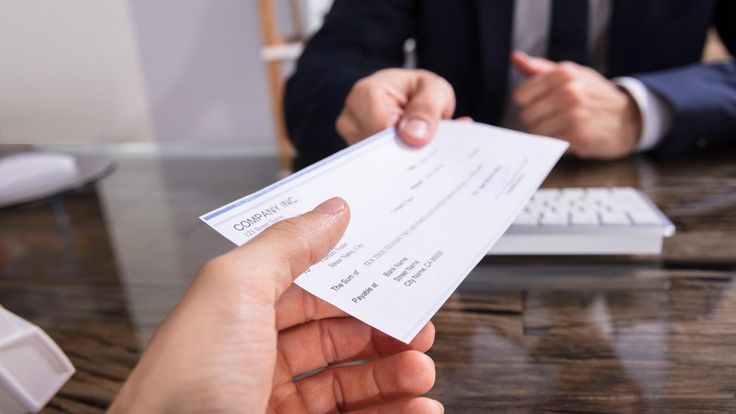
Cheque bounce offenses arise when a cheque issued in discharge of any debt or liability is dishonored by the bank due to insufficient funds, mismatched signature, or other reasons. Section 138 of the Negotiable Instruments Act, 1881 makes such dishonor a cognizable, non-bailable, and non-compoundable offense punishable with imprisonment of up to three years and a fine. These provisions seek to enhance the credibility of cheques as financial instruments and protect the interests of honest payees.
Review the dishonored cheque, bank memo, and underlying transaction to advise on legal remedies.
Serve a legally compliant demand notice specifying the amount and giving 15 days to make payment.
File a criminal complaint in the magistrate court within one month of the notice period’s expiry, attaching the bank memo and proof of notice.
Appear in court for framing of charges, prosecution evidence, and defence through cross-examination.
Present legal arguments on liability, debt enforceability, and defences to secure acquittal or minimal punishment.
Enforce judgments for recovery of fines or compensation and pursue appeals or revisions as needed.
Arguing that the cheque was given as collateral, not as payment of an existing debt, undermines the offense’s core requirement.
Demonstrating that no valid debt or liability existed at the time of cheque issuance negates the charge.
Highlighting unauthorized changes to the cheque amount or date invalidates the instrument and defence under Section 138.
Asserting that the debt was time-barred before issuance prevents prosecution, since only enforceable liabilities are penalized.
Challenging service of notice or proving lack of board resolution in company-issued cheques can defeat corporate prosecution.
Pointing out defects in notice timing, mode of service, or complaint jurisdiction can lead to case dismissal.
A cheque drawn for discharge of debt is returned unpaid by the bank and the payee’s statutory demand notice remains unheeded within 15 days.
The payee must send the demand notice within 30 days of the bank memo and file the complaint within one month of the 15-day notice period’s end.
Bail is non-bailable by police arrest but can be granted by a magistrate through anticipatory or regular bail applications.
Yes. Parties can negotiate and formalize settlements; however, Section 138 is non-compoundable, so court approval of settlement does not discharge the criminal offense without quashing the complaint.